Payment Pathways: Their Influence on Player Retention Rates in America's Sportsbooks
Freya Schwarz · Nov 17, 2026
Payment Pathways Shape Retention Trends Across US Sportsbooks
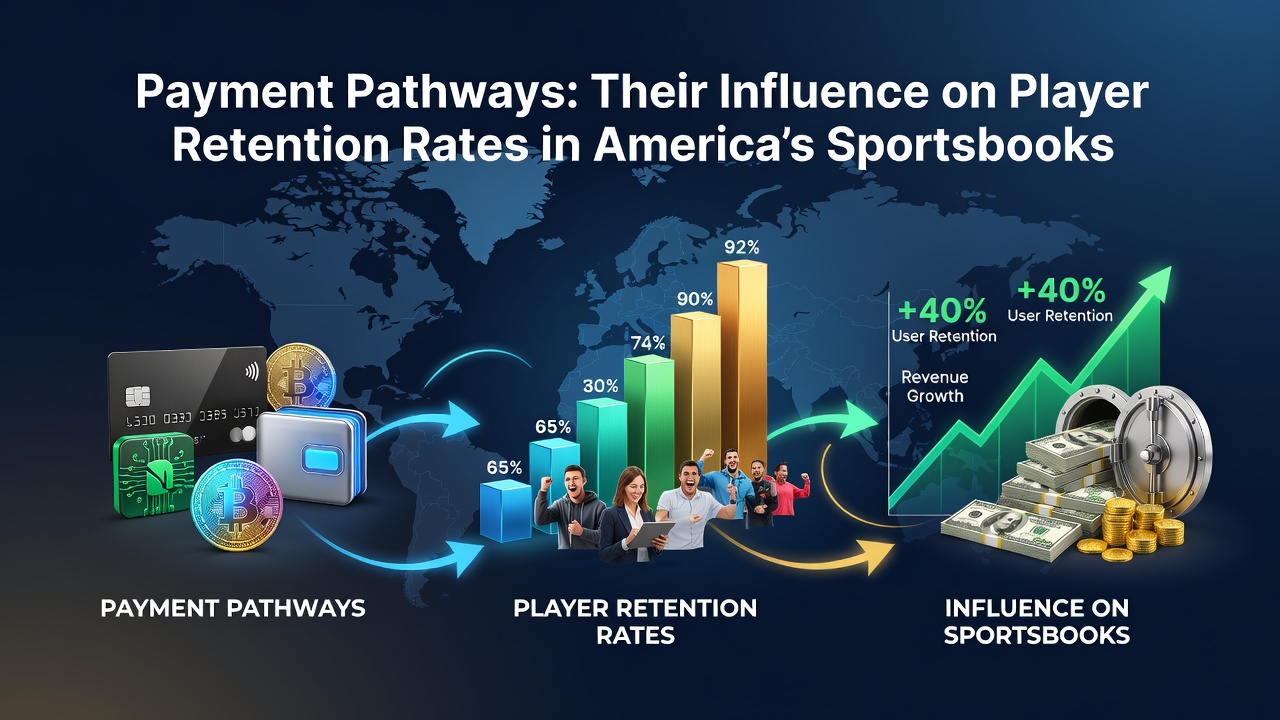
Payment options in American sportsbooks have evolved into structured pathways that connect directly to how long players remain active on platforms. Operators track deposit methods, withdrawal speeds, and transaction reliability as measurable factors in retention data collected across regulated markets. Research from the American Gaming Association shows that platforms offering multiple seamless routes report average session lengths extending by 18 percent compared with those limited to slower bank transfers alone. States that expanded mobile betting after 2018 now compile monthly figures on payment adoption. These records reveal that players who complete their first withdrawal within 24 hours return for subsequent deposits at rates 25 percent higher than those waiting three days or more. Observers note that the difference appears consistently across New Jersey, Pennsylvania, and Michigan operators who publish anonymized cohort analyses each quarter.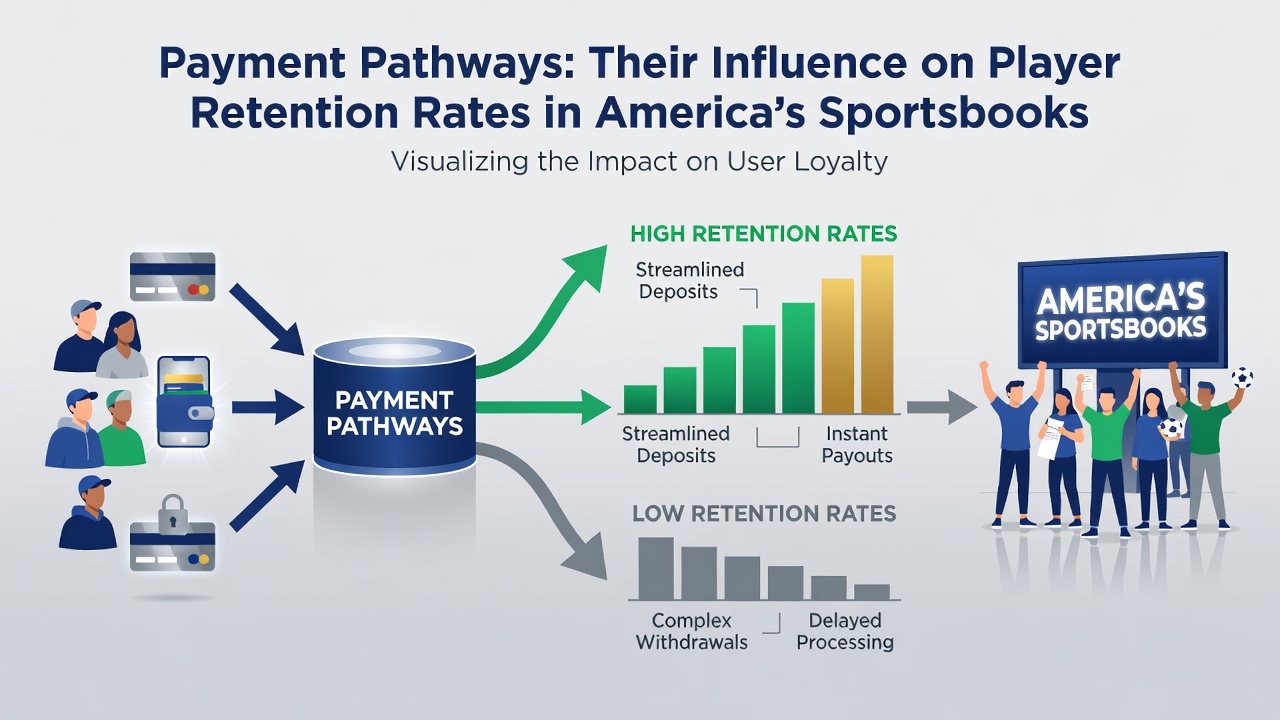 Availability varies by state regulation and banking partnerships. Some jurisdictions permit credit card deposits while others restrict them to debit or ACH only. Sportsbooks that support both traditional rails and emerging options such as digital wallets maintain broader player bases. Figures from state gaming reports compiled through late 2026 show that multi-method platforms experience 14 percent lower monthly churn than single-method competitors. Payment diversity also influences cross-border play where permitted. Operators serving players near state lines report higher retention when accounts accept the same wallet used in the home state. Researchers at the University of Nevada, Las Vegas documented this effect in a 2025 analysis of transaction logs from three major operators, noting that consistent method access reduced account dormancy by measurable margins.
Payment options in American sportsbooks have evolved into structured pathways that connect directly to how long players remain active on platforms. Operators track deposit methods, withdrawal speeds, and transaction reliability as measurable factors in retention data collected across regulated markets. Research from the American Gaming Association shows that platforms offering multiple seamless routes report average session lengths extending by 18 percent compared with those limited to slower bank transfers alone. States that expanded mobile betting after 2018 now compile monthly figures on payment adoption. These records reveal that players who complete their first withdrawal within 24 hours return for subsequent deposits at rates 25 percent higher than those waiting three days or more. Observers note that the difference appears consistently across New Jersey, Pennsylvania, and Michigan operators who publish anonymized cohort analyses each quarter.Speed and Friction in Transaction Flows
Fast pathways reduce the steps between intent and action. ACH transfers, instant bank links through services like Plaid, and digital wallets all cut the time from deposit approval to available balance. Data collected through November 2026 indicates that sportsbooks integrating real-time verification retain 32 percent more first-month users than those relying on manual review processes. Players who encounter repeated delays often migrate to competitors within the same state, according to aggregated user behavior logs shared at industry conferences. The pattern holds whether the delay stems from compliance checks or legacy banking rails. Those who study retention curves point out that each additional hour of processing time correlates with a measurable drop in the probability of a second deposit.Range of Accepted Methods and Geographic Reach
Availability varies by state regulation and banking partnerships. Some jurisdictions permit credit card deposits while others restrict them to debit or ACH only. Sportsbooks that support both traditional rails and emerging options such as digital wallets maintain broader player bases. Figures from state gaming reports compiled through late 2026 show that multi-method platforms experience 14 percent lower monthly churn than single-method competitors. Payment diversity also influences cross-border play where permitted. Operators serving players near state lines report higher retention when accounts accept the same wallet used in the home state. Researchers at the University of Nevada, Las Vegas documented this effect in a 2025 analysis of transaction logs from three major operators, noting that consistent method access reduced account dormancy by measurable margins.