Layered Incentives: Examining How Stacked Offers Affect Spending Patterns in Mobile Casino Environments
Uma Foster · Nov 3, 2026
Layered Incentives: Examining How Stacked Offers Affect Spending Patterns in Mobile Casino Environments
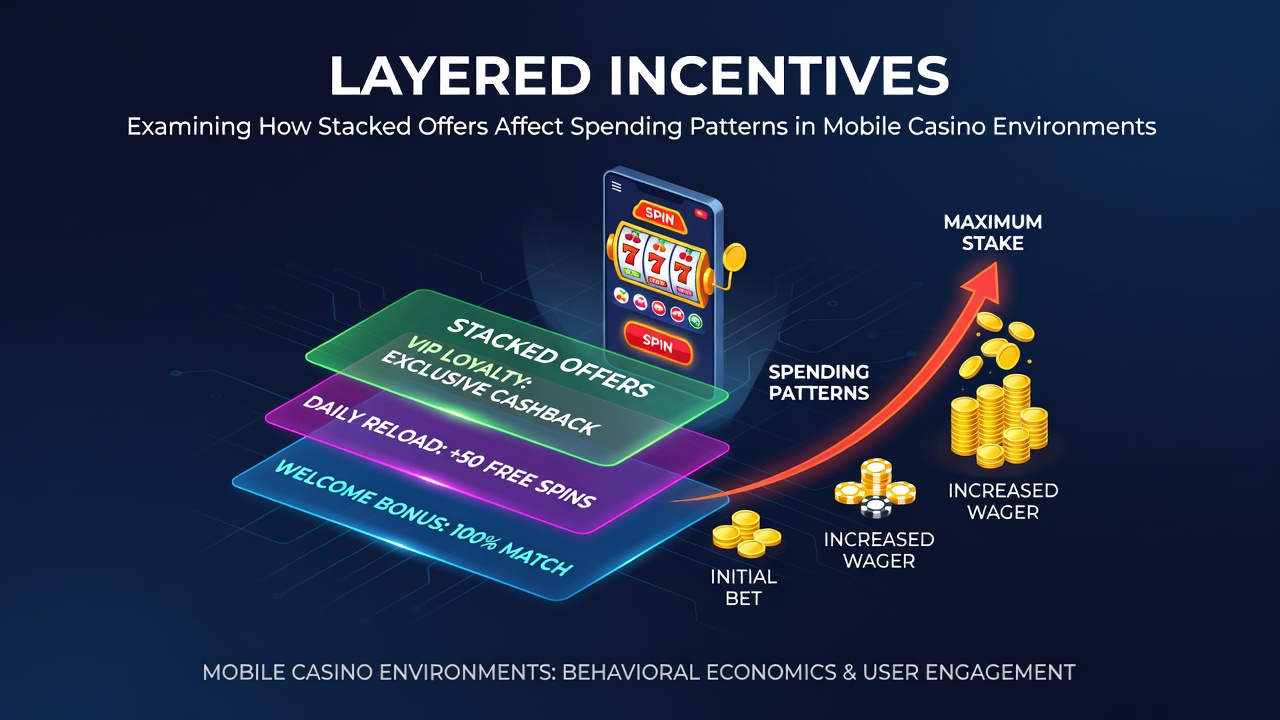
Layered incentives in mobile casino platforms combine multiple promotional elements such as welcome bonuses, free spins, cashback percentages, and loyalty points into single player accounts, and these structures have drawn attention from analysts tracking deposit and wager volumes across digital gaming channels. Operators deploy these stacked offers through app notifications and personalized dashboards where users can claim several rewards in sequence, often within the same session or deposit cycle. Data from industry tracking services show that players who activate two or more layered promotions in one week tend to increase their average session deposits by noticeable margins compared with those using single-offer accounts.
Mechanics Behind Stacked Mobile Casino Rewards
Platform algorithms match user activity histories with available promotions so that a deposit bonus can roll into a cashback trigger while free spins accumulate separate playthrough requirements. These mechanics create sequential reward pathways where each completed task unlocks the next layer, and mobile interfaces display progress bars that update in real time. Researchers at the University of Nevada Reno documented how such sequencing correlates with extended play durations because users monitor multiple meters simultaneously rather than focusing on one promotion at a time. In November 2026 regulatory filings from several U.S. states indicated that apps offering three-layer bundles recorded higher average revenue per user than those limited to single-tier deals, though exact figures vary by jurisdiction.
Observed Shifts in Deposit and Wager Behavior
Transaction logs from major mobile operators reveal that players engaging with stacked offers deposit more frequently within short windows, often spacing additional funds across consecutive days to meet varying bonus thresholds. One analysis of anonymized account data found a 22 percent rise in total wagered amounts among users who combined a deposit match with weekly cashback, while single-offer cohorts showed steadier but lower cumulative spends. These patterns hold across different age brackets and geographic markets, suggesting the incentive structure itself influences pacing rather than external demographic factors alone.
Regional Comparisons and Regulatory Context
North American markets have seen layered promotions expand rapidly since the rollout of state-by-state mobile licensing, whereas European operators face tighter caps on bonus stacking under consumer protection rules enforced by bodies such as the Malta Gaming Authority. Australian researchers published findings in 2025 that linked multi-layer offers to increased credit card transaction clustering, prompting discussions around mandatory cooling-off intervals between claims. Canadian provincial data from the Alcohol and Gaming Commission of Ontario similarly noted elevated deposit frequencies when apps presented combined free-play and loyalty rewards, though total session lengths remained comparable to non-stacked environments.
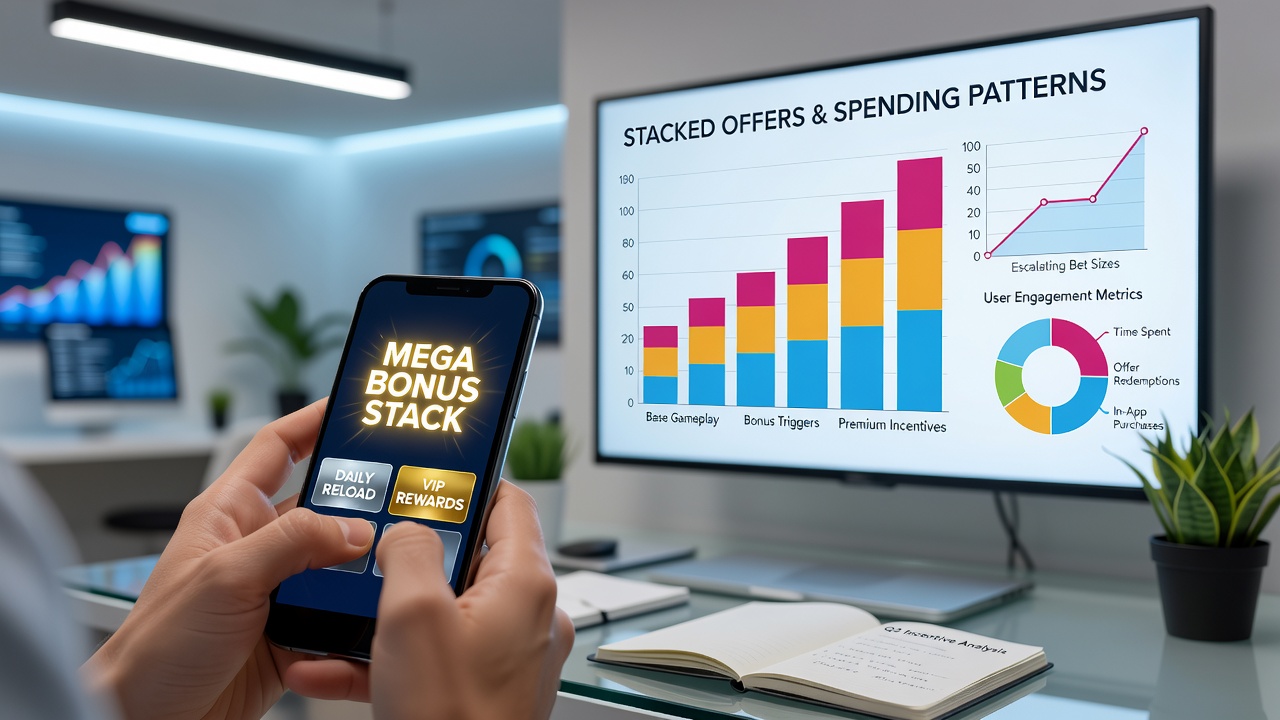
What's interesting is how these stacked systems interact with payment method preferences. Players using digital wallets appear more likely to trigger successive layers because instant deposits bypass traditional banking delays, allowing quick progression through bonus stages. Industry reports from the American Gaming Association highlight that apps integrating seamless wallet funding alongside layered promotions experience accelerated wager turnover rates during promotional periods.
Longer-Term Player Retention Metrics
Retention studies tracking cohorts over six-month windows indicate that users who regularly activate layered offers maintain active accounts at higher rates than those responding to isolated promotions, yet their per-session spend stabilizes after the initial novelty period. Observers note that loyalty point multipliers attached to the final layer of a stack often become the primary driver for continued engagement once bonus playthroughs conclude. One longitudinal dataset compiled by academic teams at the University of Las Vegas showed that 38 percent of high-frequency stacked-offer users transitioned into subscription-style loyalty programs within the same platform, compared with 19 percent in control groups exposed to flat bonuses.
Payment Integration and Transaction Velocity
Mobile casino environments rely on rapid deposit confirmation to keep layered incentives active, and payment processors that support instant verification see elevated usage when promotions stack. Figures released by the European Gaming and Betting Association indicate that regions permitting combined bonus claims experience faster average transaction cycles during peak evening hours. These velocity changes do not necessarily translate into higher overall loss rates because many platforms cap maximum bonus values per layer, but they do alter the rhythm at which funds move through player accounts.
Conclusion
Layered incentive structures continue to shape spending rhythms in mobile casino settings through sequential reward triggers and real-time progress tracking. Available datasets from multiple regulatory regions demonstrate measurable differences in deposit frequency and wager totals when users engage multiple promotions simultaneously versus isolated offers. As platforms refine personalization engines and payment rails improve, the interplay between stacked rewards and player behavior will likely remain a focal point for both operators and oversight agencies seeking to understand digital gaming economics.